The landscape of product development is undergoing a transformative shift. AI is no longer a futuristic concept; it's here, brimming with potential to revolutionise the way we build and interact with products. As product leaders, we stand at a crossroads, faced with the crucial task of charting a course through this evolving landscape. While AI holds immense potential, it's crucial to approach its integration strategically, keeping the user at the forefront of every decision.
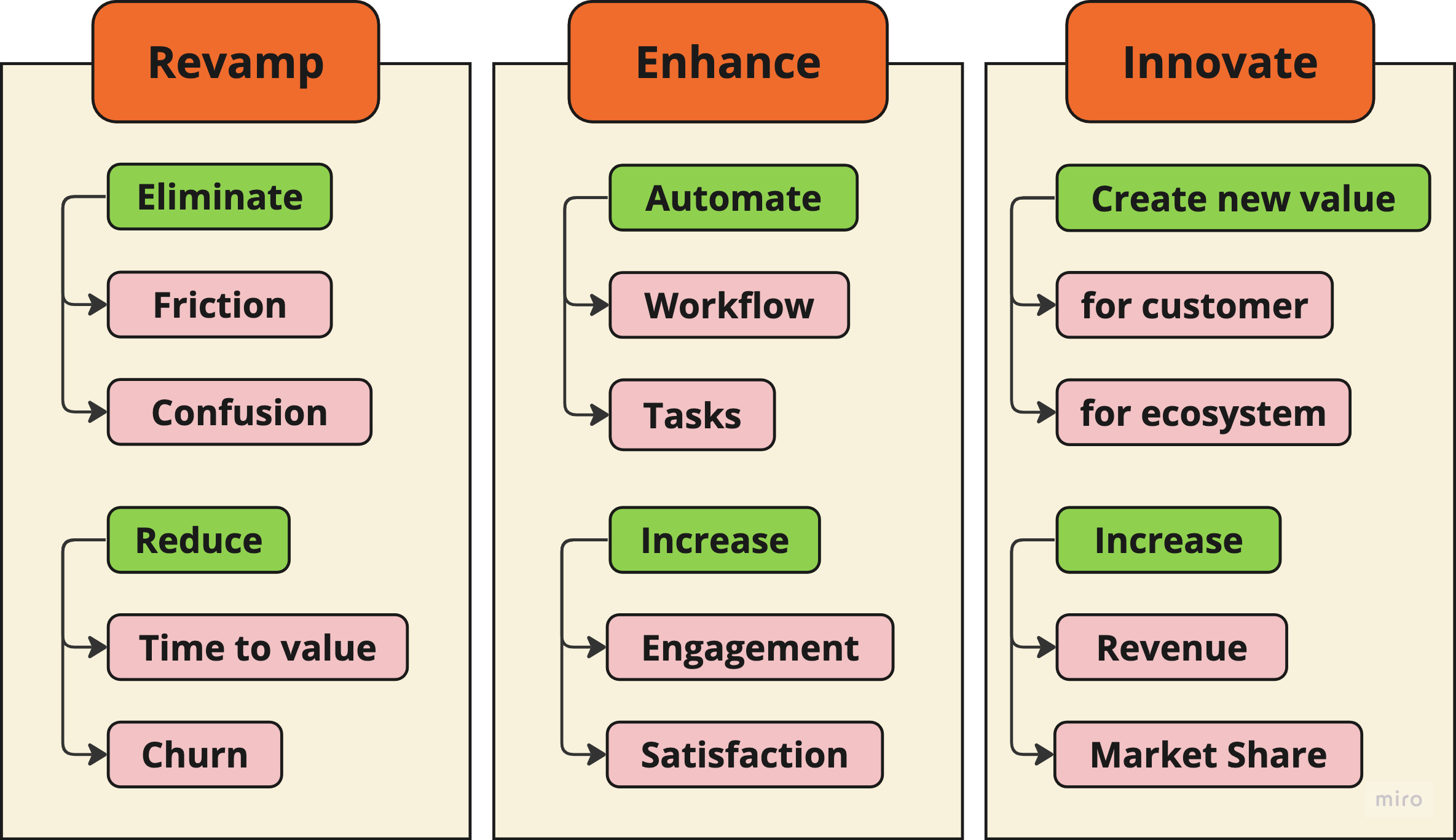
1. Revamp:
The first step is to embrace a critical lens and scrutinise your existing product. Identify areas where users encounter friction: those frustrating moments where the journey becomes clunky, requiring them to navigate numerous clicks and wait for information. This analysis can be facilitated by mining usage and behaviour data. Look for patterns in user clicks and navigation paths, pinpoint where they get stuck, and identify areas where they spend excessive time.
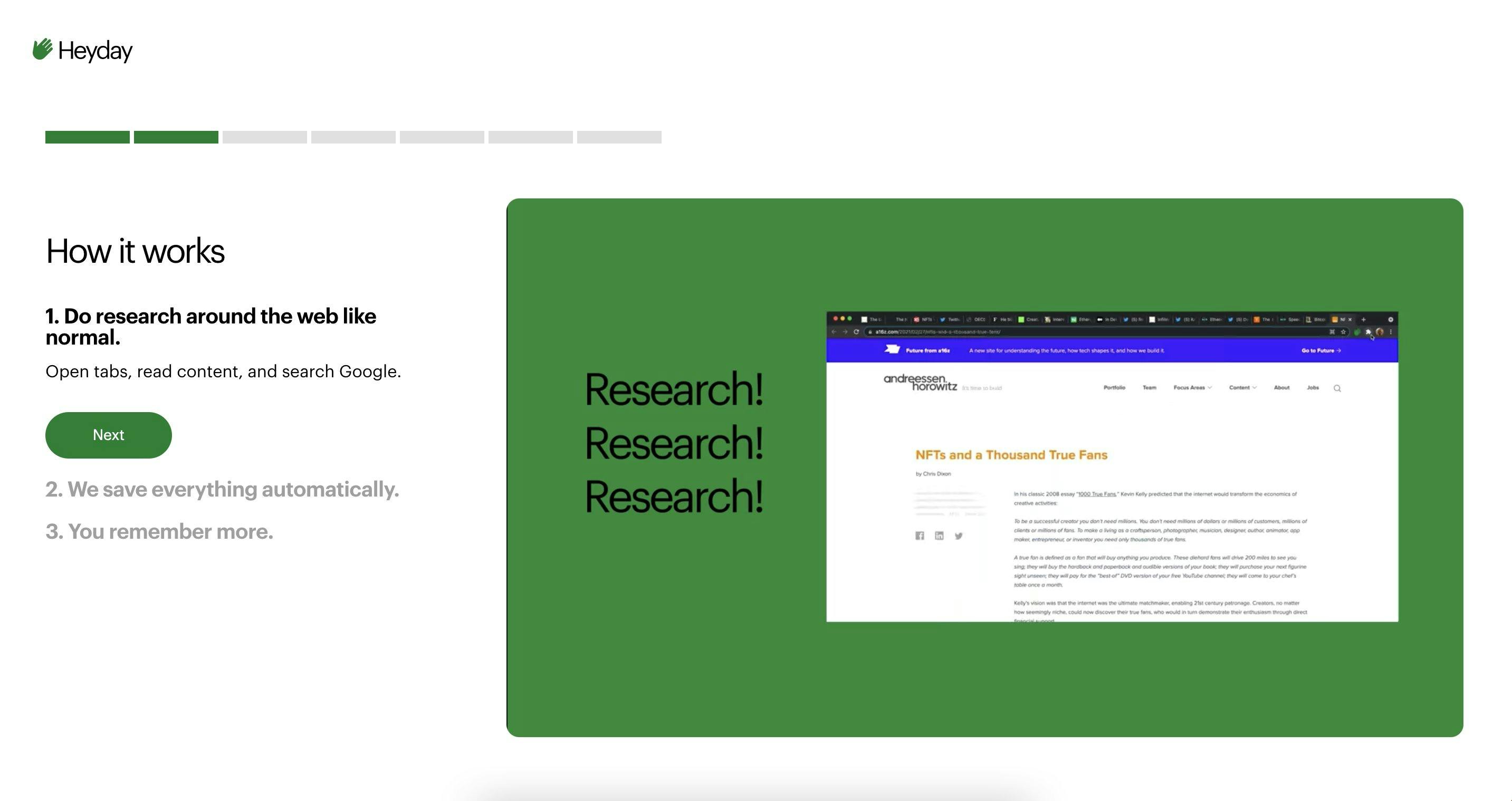
Heyday decreased customer churn from 8.5% to 3.3% just by changing their onboarding flow.
AI presents a powerful solution to these pain points. Imagine a world where users can ask questions and receive data-driven answers instantly, eliminating the need for cumbersome navigation. An AI-powered assistant, integrated seamlessly into your product, can streamline the user journey, providing relevant information and personalised insights at their fingertips.
2. Enhance:
While AI undoubtedly ushers in change, it's crucial to remember that not everything needs to be reinvented. Identify the core functionalities and unique selling propositions (USPs) that constitute the essence of your product. These are the elements that resonate with your target audience and differentiate you from competitors.
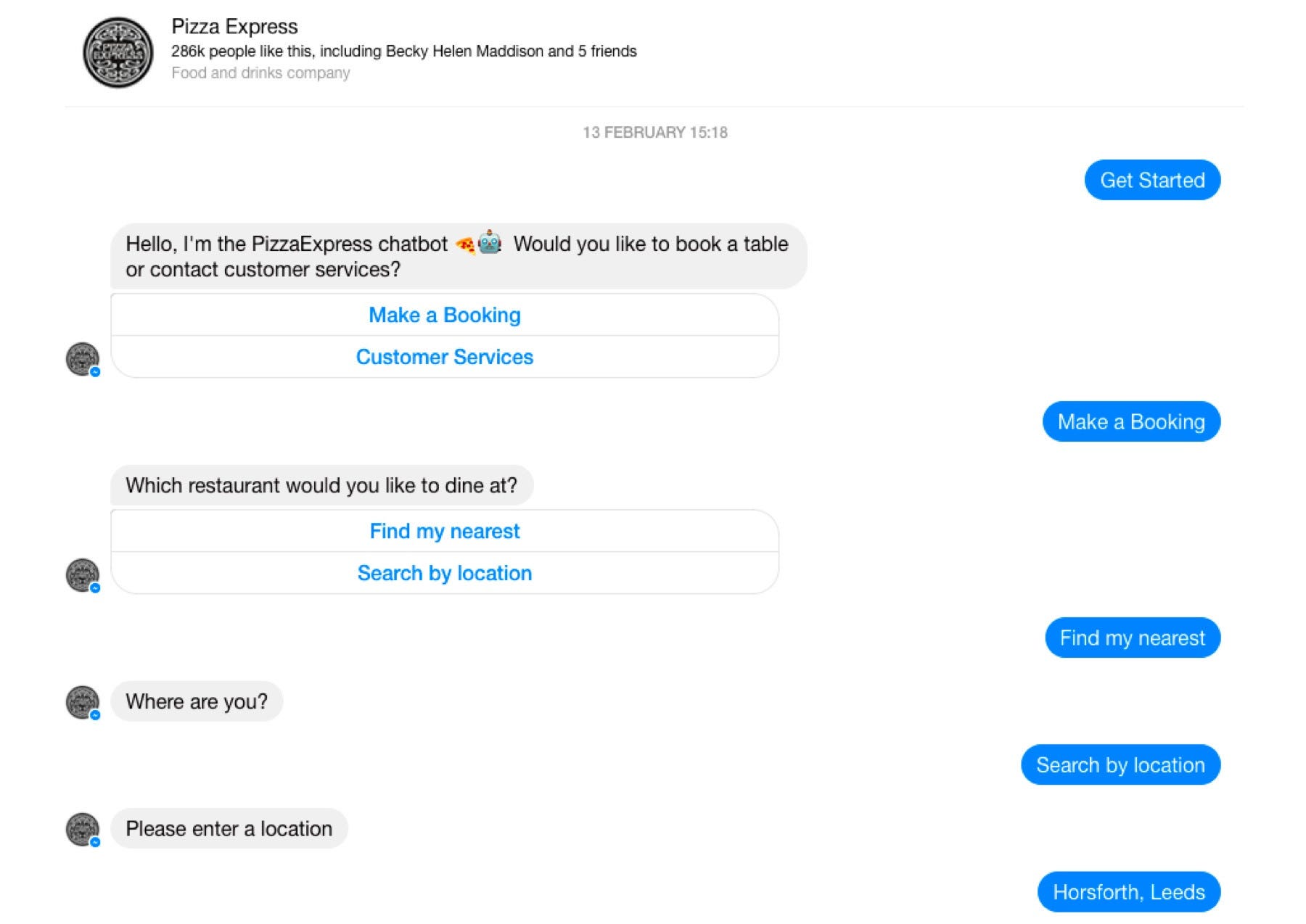
The old PizzaExpress assistant was clunky. It could only follow a rigid script and wasn't smart enough for a real chat
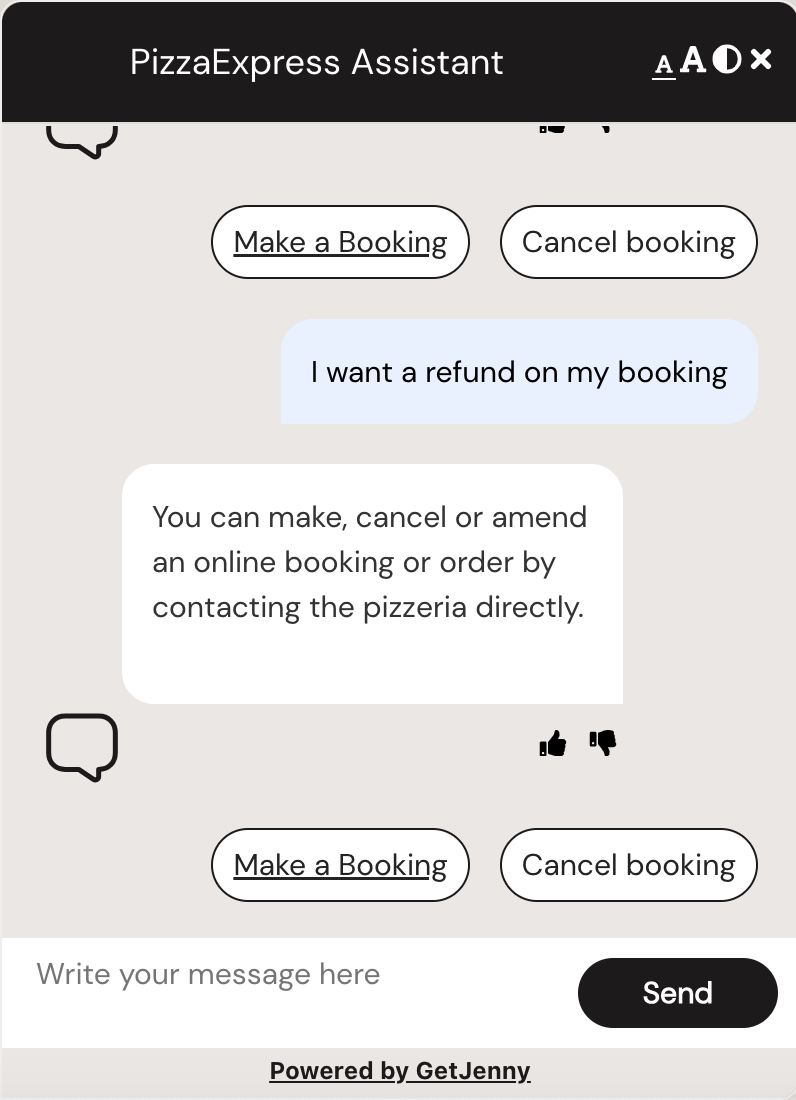
While the new PizzaExpress Assistant still has that old logic, now it can handle unexpected responses 😍
AI should be viewed as a tool to enhance these core strengths, not replace them. It can automate repetitive tasks, freeing up resources to focus on what truly matters: refining your product's core value proposition and ensuring it remains relevant and valuable to your users.
3. Innovate:
Perhaps the most exciting aspect of AI lies in its potential to unlock entirely new possibilities. By leveraging AI's capabilities, we can envision features and functionalities that delight users in ways never before possible. This could involve creating predictive recommendations that cater to individual user needs, developing adaptive interfaces that learn and respond to user behaviour, or even integrating AI-powered assistants that offer personalised guidance and support.
While Amplitude offered valuable data analytics, Ask Amplitude takes it a step further. It uses AI to make the process of uncovering insights much smoother, faster, and more user-friendly. This empowers teams to gain the knowledge they need to make informed decisions quickly.
Remember, the key is to strike a balance: embrace change where necessary, preserve what truly differentiates your product, and leverage AI to unlock new possibilities.
A roadmap for product leaders to strategically leverage AI to innovate their products and gain a competitive advantage.
Embrace this opportunity to think outside the box. Brainstorm innovative ways to leverage AI to transform your product and create a truly unique and engaging user experience. By honestly addressing these areas, you can embark on a structured and thoughtful approach to integrating AI within your product strategy.
Role of Product Leader
While AI holds immense potential, it's easy to get caught up in the hype. As product leaders, we need to be pragmatic. Here's my battle-tested toolkit for ensuring a smooth and successful AI product development journey:
1. Know your Why: Define clear objectives
Before diving in, you need laser focus. Clearly define the goals AI will achieve within your product strategy. What problems are you solving? What value are you creating for users? Having a clear "why" keeps your entire team aligned and prevents them from chasing shiny objects.
2. Align the troops: Develop a company-wide AI Strategy
You need a company-wide AI strategy that integrates seamlessly with your overall product vision. This ensures everyone, from engineers to executives, understands the role of AI and how it contributes to the bigger picture.
Stay tuned, in the coming weeks, I'll delve deeper into crafting this winning AI strategy.
3. Small Wins, Big Impact: Incremental iteration is key
Forget the big bang approach. Instead, you’ll introduce AI features and iterations gradually. This allows you to gather user feedback, identify roadblocks early on, and course-correct as needed. Small wins build momentum and keep the team energised.
When creating AI products be transparent about AI use and how user data is utilised. Wherever possible provide them an option to provide manual input and feedback.
4. Streamlined processes: The backbone of success
Clear ownership, defined workflows, and seamless collaboration – these are the pillars of effective AI product development. You'll establish clear processes to ensure everyone knows their role and how their work contributes to the final product.
5. Empowering the Frontlines: Team-Wide Training
Our customer-facing teams are the bridge between users and our AI-powered product. We'll train them on the product's capabilities and how we utilise customer data. This empowers them to answer customer questions confidently and provide valuable insights that fuel future iterations.
By embracing this structured and thoughtful approach to using AI within your product strategy, you can create user experiences that are not only seamless but truly transformative.
This isn't just some abstract concept - I've used this very approach to build award-winning products and startups that have gone on to make a positive impact on millions of users.
The future of product development is brimming with possibility, and by strategically leveraging AI, we can craft experiences that not only delight our users but also make a meaningful difference in the world. Let's dive in together and unlock the true potential of AI-powered products.
Not Long Until Shipment is a reader-supported publication. To receive new posts and support my work, consider becoming a free or paid subscriber.
For the people who might be in such a position - how do you actually go about taking responsibility for a company-wide AI strategy and getting the wider team onboard?
I understand how this is done from the ground-up but doing it in a company with a pre-existing engineering/other departmental culture(s) seems like an altogether different challenge…




For the people who might be in such a position - how do you actually go about taking responsibility for a company-wide AI strategy and getting the wider team onboard?
I understand how this is done from the ground-up but doing it in a company with a pre-existing engineering/other departmental culture(s) seems like an altogether different challenge…